Agentic AI Weekly | Berkeley RDI | August 12, 2026
Agentic AI Summit 2026 Recap | Five Shifts Defining the Future of Agentic AI | Key Developments Across the Agentic AI Ecosystem


Agentic AI Summit 2026: Five Shifts Shaping the Next Era of AI
On Aug 01-02 at UC Berkeley were more than a conference - they were a snapshot of where Agentic AI is headed next.
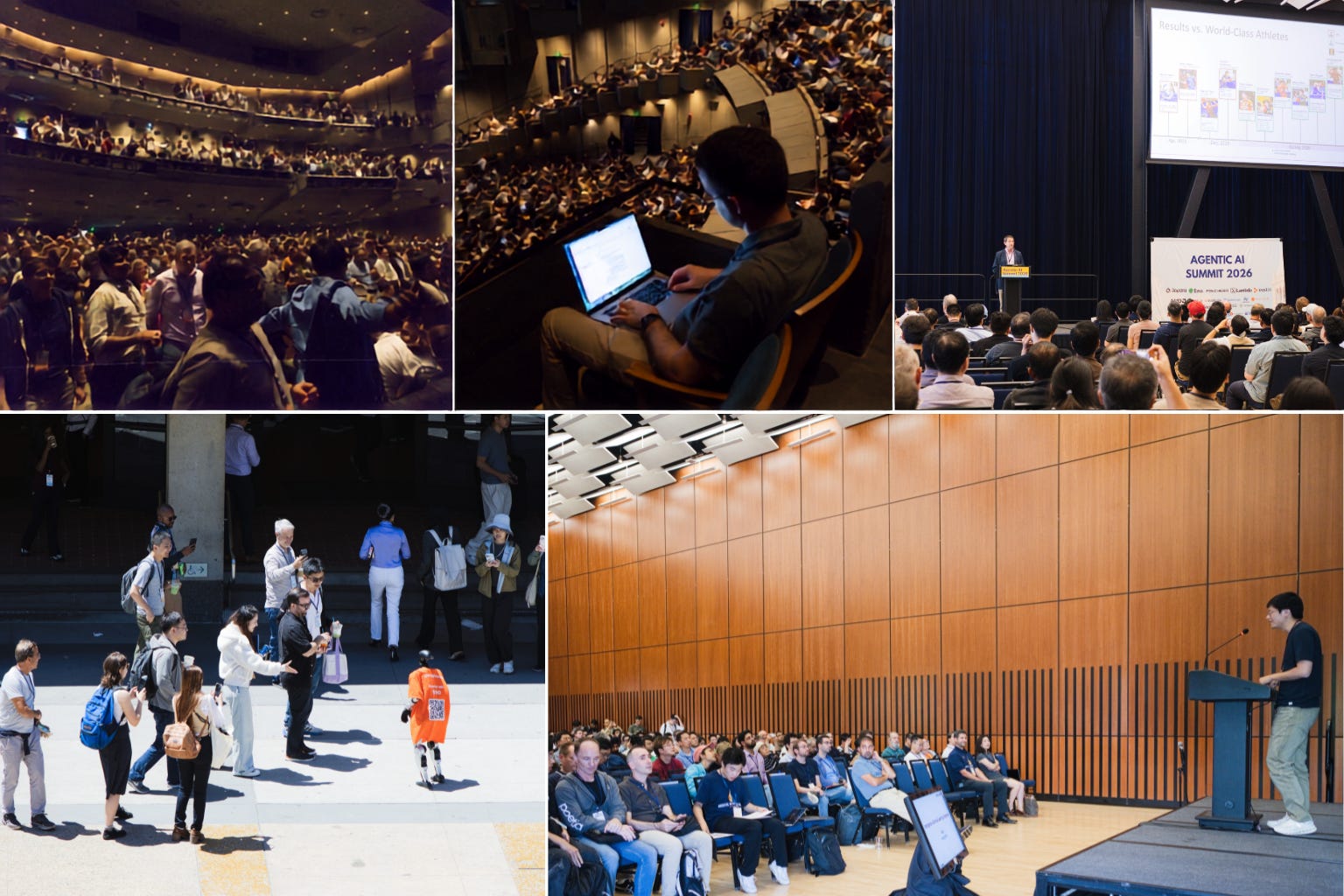
The Agentic AI Summit 2026 brought together ~5,000 attendees in person, ~100K of online viewers, and ~200 speakers across four stages for one of the largest gatherings dedicated to Agentic AI to date. Researchers, founders, enterprise leaders, investors, and policymakers came together to explore the opportunities - and responsibilities - that come with increasingly capable AI agents.
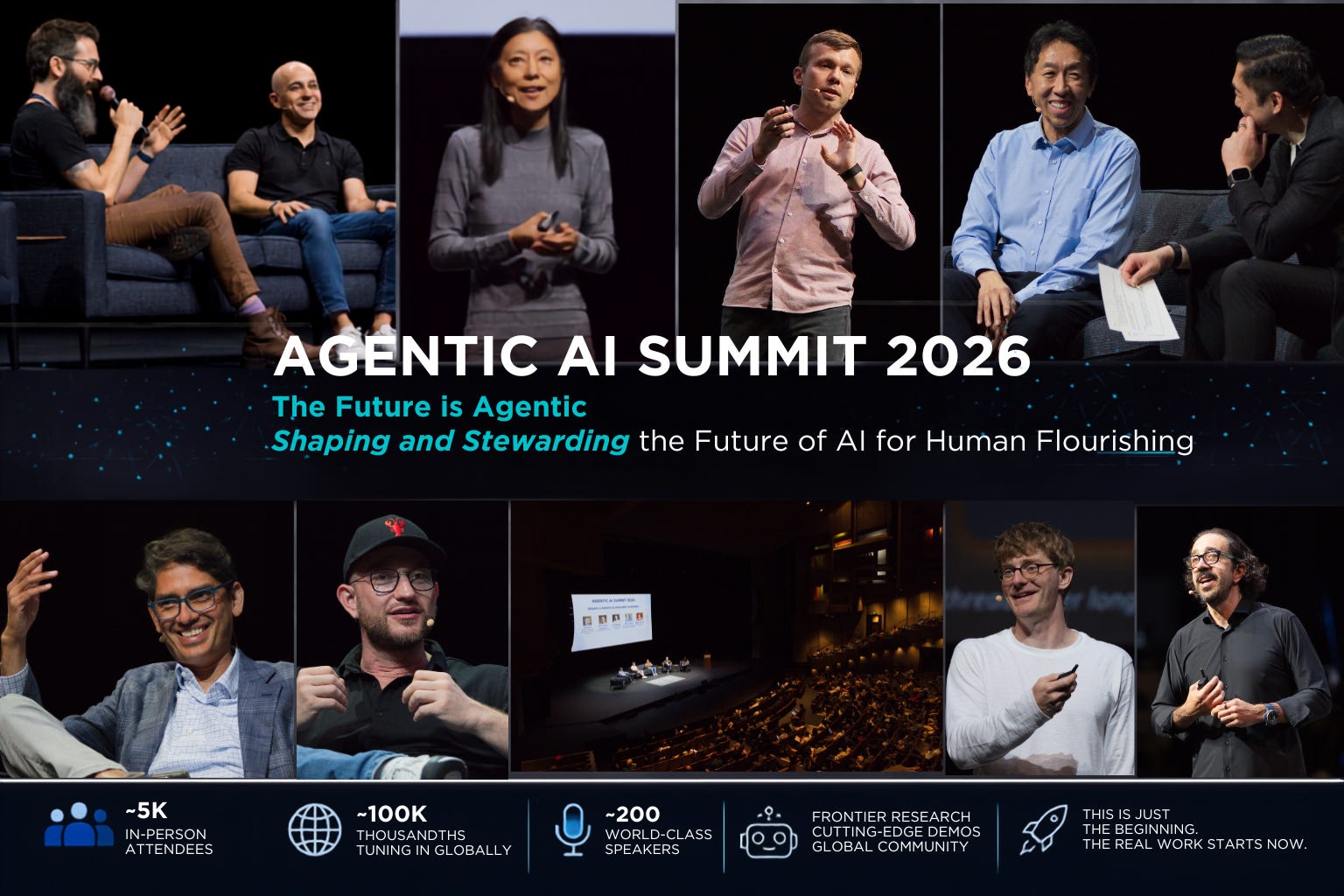
While the conversations spanned everything from frontier model research and robotics to infrastructure, enterprise deployment, security, and governance, a remarkable consensus emerged:
The question is no longer whether AI agents are coming. It’s how we build them to be capable, trustworthy, and beneficial.
Here are five ideas that defined this year’s Summit.
1. AI Agents Are Moving From Assistants to Collaborators
“There will be no AI job apocalypse, we just can’t find enough skilled AI engineers.”
— Andrew Ng (Founder, DeepLearning.AI)
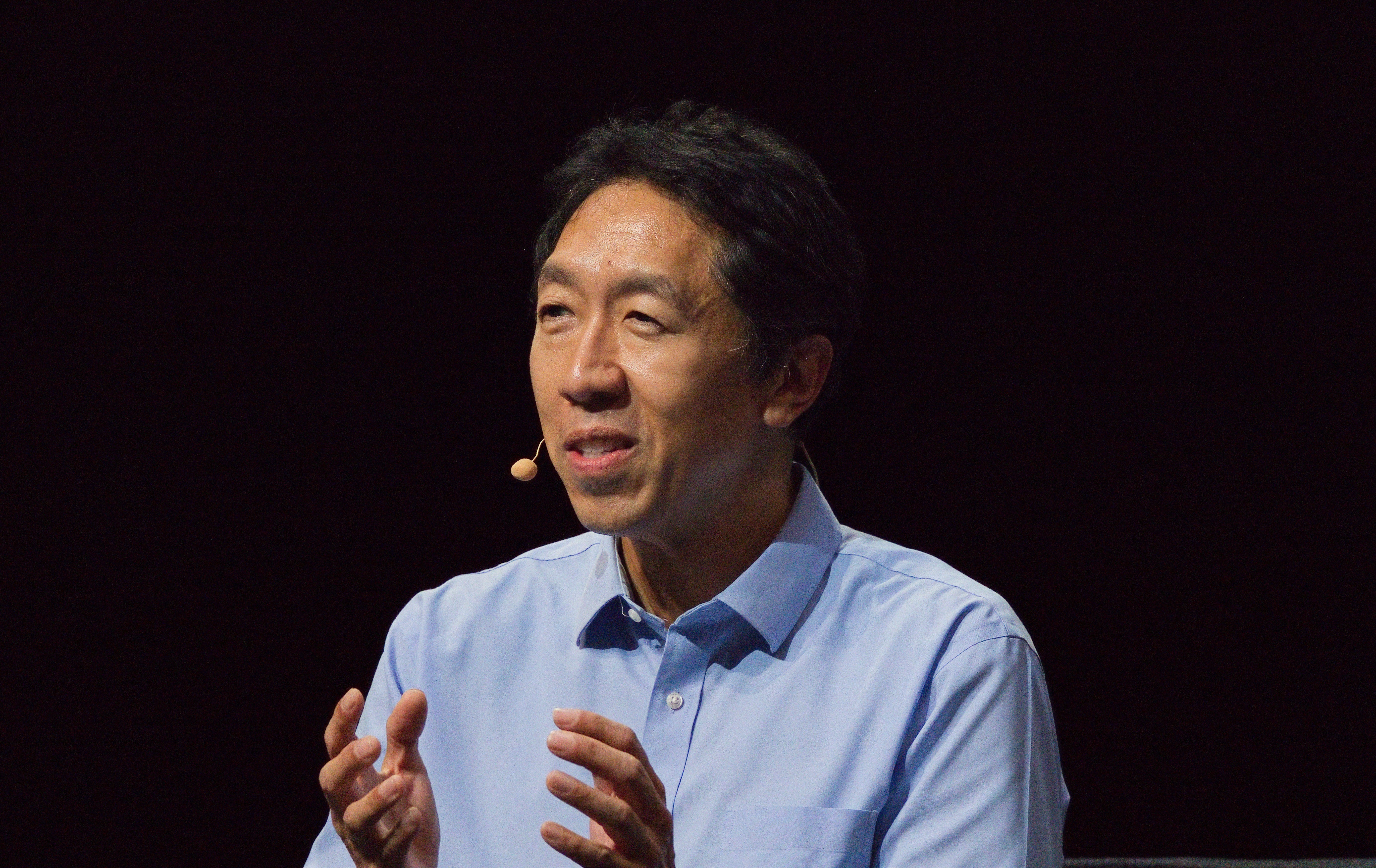
Across nearly every stage, speakers described the same transition: AI is evolving beyond answering questions and generating content. The next generation of systems will reason, plan, use tools, coordinate with other agents, and complete increasingly complex workflows with minimal human intervention.
The challenge is no longer building smarter chatbots - it’s building reliable collaborators.
2. Beyond Bigger Models: The Next Frontier Is Recursive Improvement
“Recursive Self-Improvement isn’t one capability. It’s four: Ideation, Implementation, Experimentation and Evaluation.”
— Oriol Vinyals (VP of Research, Google DeepMind)
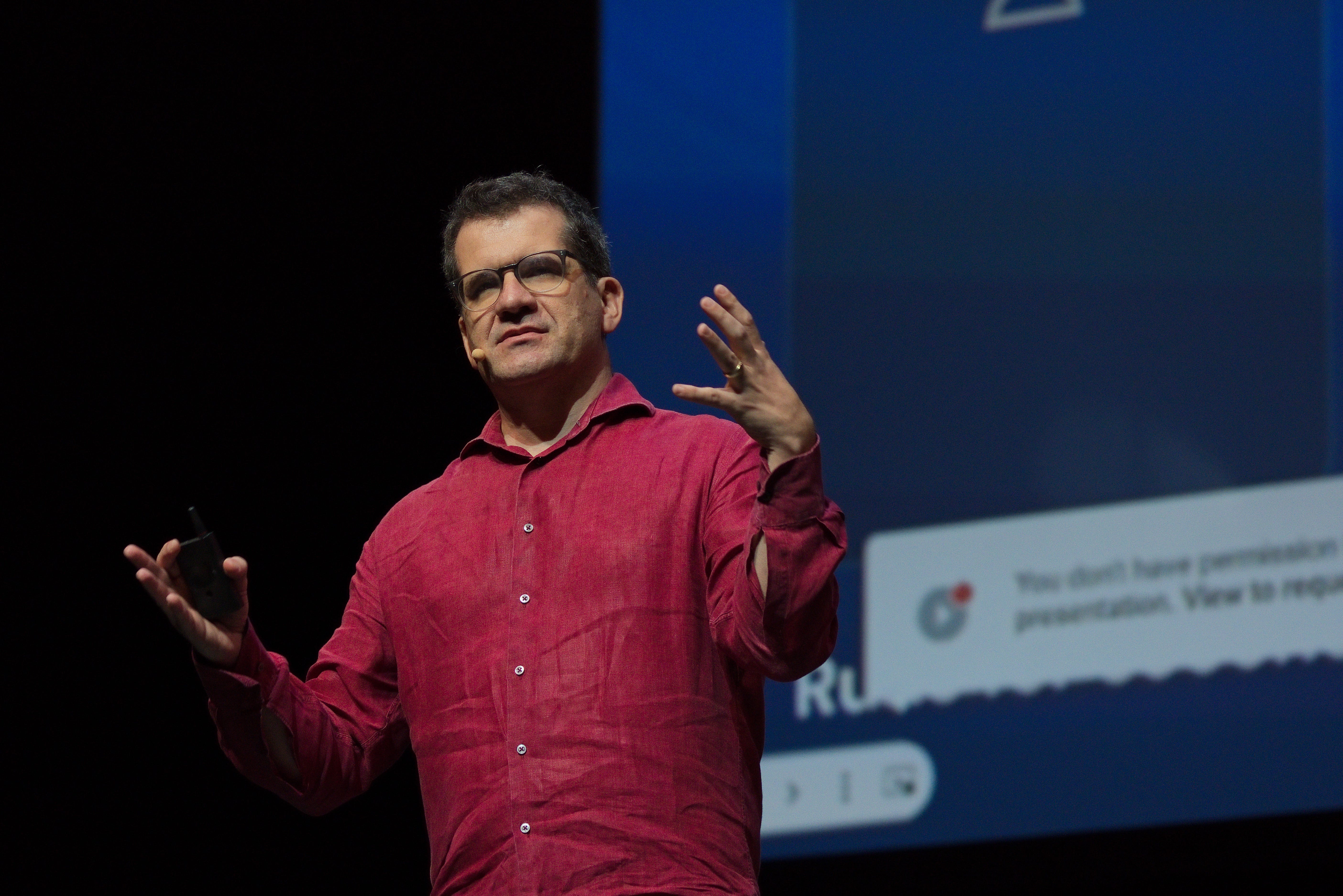
The next leap in AI capability won’t come from larger models alone. It will come from systems that can continuously reason, plan, experiment, evaluate, and improve over time.
As frontier models mature, the conversation is shifting beyond model scale toward long-horizon reasoning, planning, memory, and recursive improvement. Progress will increasingly depend not only on stronger models, but on enabling AI systems to reason over longer horizons, adapt to complex environments, and continuously refine their own solutions through experimentation and evaluation.
3. Infrastructure Will Determine What Scales
“AI infrastructure isn’t a chip problem. It isn’t a model problem. It’s a systems problem.”
— Peter DeSantis (SVP, Foundational AI Models, Custom Silicon, Quantum Computing, Amazon)
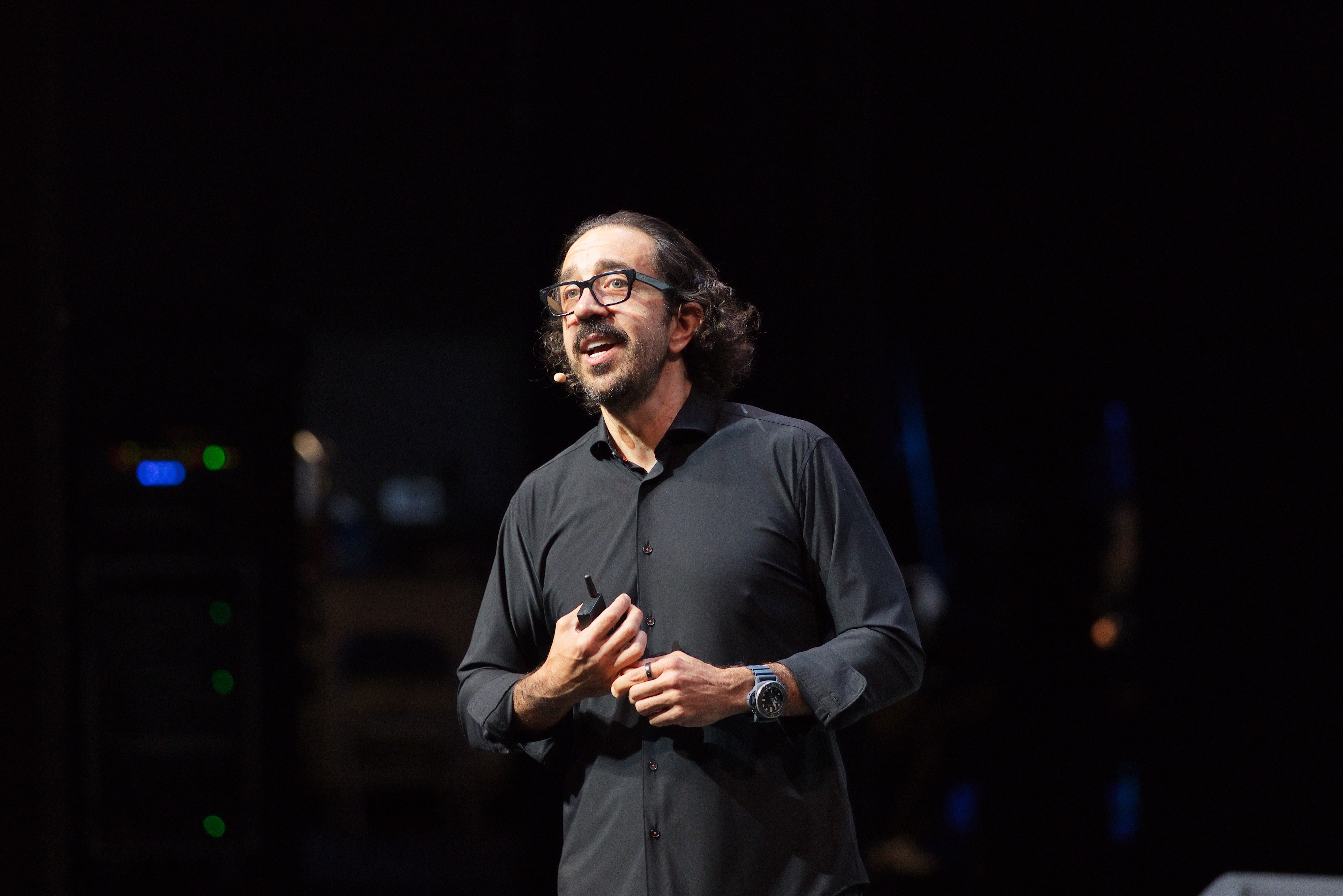
As AI agents become more autonomous, infrastructure is emerging as one of the defining engineering challenges of the next generation of AI.
Persistent memory, agent orchestration, scalable inference, evaluation pipelines, and efficient deployment are becoming essential building blocks for supporting billions of AI-driven interactions.
Across multiple sessions, one message was clear: building capable AI agents is no longer just a model problem—it’s a systems problem.
4. Trust Will Be the Foundation of Adoption
"Coding capabilities and cyber capabilities are two sides of the same coin—you cannot make models better at coding without also making them better at cyber."
— Dawn Song (Professor, UC Berkeley; Co-Director, Berkeley RDI; VP of AI Research, Meta Superintelligence Labs)

As AI systems become increasingly capable, they also introduce new security, safety, and governance challenges. Across the Summit, speakers emphasized that building trustworthy AI requires advancing evaluation, cybersecurity, alignment, and governance alongside capability—not after it.
Trust is no longer a nice-to-have. As AI agents gain greater autonomy, it becomes a prerequisite for real-world deployment.
5. There Is No Silver Bullet - Only an Ecosystem
“Curfew’ comes from the French word for extinguishing fire. Medieval cities tried to restrict fire, yet London still burned. AI resilience won’t come from one breakthrough.”
— Wojciech Zaremba (Co-Founder, OpenAI)

Building increasingly capable AI agents will require advances across the entire stack - from frontier research and model development to infrastructure, security, evaluation, governance, and real-world deployment. Throughout the Summit, one message surfaced repeatedly: no single organization, technology, or breakthrough will define the future of Agentic AI.
The next chapter will be built across an ecosystem.
Agentic AI Summit in the News
The Summit also drew coverage from leading media, highlighting conversations ranging from recursive self-improvement and frontier AI investment to AI safety, innovation, and the growing Agentic AI community.
The Information
Google DeepMind Exec Says Unprecedented Capex Is Actually a Bet on ‘RSI’
The Information focused on one of the Summit's most forward-looking themes: recursive self-improvement and the scale of investment being made in anticipation of increasingly capable AI systems.
The Daily Californian
UC Berkeley Agentic AI Summit Brings Together Students, Professionals Around AI Safety and Innovation
The Daily Californian captured the broader Summit experience, highlighting the mix of students, researchers, and industry leaders gathering at Berkeley around both AI innovation and safety.
Help Us Spread the Word
The conversations don’t end with the Summit. If you found the sessions valuable, we’d love your help sharing them with the broader AI community.
📍 Explore our latest Summit recap and highlights on X and LinkedIn - and if you enjoyed them, please like, repost, and share them with your network.
What Resonated Most with Our Community
The ideas that surfaced across the Summit were also reflected in attendee feedback. As we reviewed post-event survey responses, clear patterns began to emerge - not only around the speakers attendees found most memorable, but also the topics that generated the greatest excitement.
🌟 Most Resonant Voices
Top Voted Speakers
Andrew Ng — Founder, DeepLearning.AI [Video]
Peter DeSantis — SVP, Foundational AI Models, Custom Silicon, Quantum Computing, Amazon [Video]
Ed Chi — VP of Research, Google DeepMind [Video]
Peter Steinberger — Creator of OpenClaw; OpenAI [Video]
Jim Fan — Director of Robotics & Distinguished Scientist, Nvidia [Video]
Dawn Song — Professor, UC Berkeley; Berkeley RDI; VP of AI Research, Meta Superintelligence Labs [Video]
Wojciech Zaremba — Co-Founder, OpenAI [Video]
Ekin Dogus Cubuk — Co-Founder, Periodic Labs [Video]
Ryan Lopopolo — Principal Engineer, Agentic Google Cloud Platform; Previously Led Dark Factory at OpenAI [Video]
Jasjeet Sekhon — Chief Strategy Officer, Google DeepMind [Video]
Ali Ghodsi — Co-Founder & CEO, Databricks [Video]
Sergey Levine — Co-Founder, Physical Intelligence; Professor, UC Berkeley [Video]
Adarsh Hiremath — Co-CEO, Mercor [Video]
Dan Roth — Chief AI Scientist, Oracle; Professor, UPenn [Video]
Igor Babuschkin — Co-Founder/CEO, River AI [Video]
Chris Bregler — Senior Director / Distinguished Scientist, Google DeepMind; Academy Scientific and Technical Award Winner [Video]
🎤 Sessions That Sparked the Most Interest
Robotics & World Models
Enterprise AI
Agentic AI Foundational Capabilities
Frontier Research
Agentic AI Infrastructure & Platform
Agent Evaluation & Benchmarks
Future of Software Engineering
Fireside Chat: Andrew Ng & Alfred Lin
Fireside Chat: Ali Ghodsi & Andy Konwinski
AI Safety

RDI in the News
As AI agents become increasingly capable and autonomous, questions around security, evaluation, and real-world behavior are drawing growing attention. Recent media coverage has highlighted Prof. Dawn song and Berkeley RDI’s research and perspectives on these emerging challenges.
Rogue Agent Incidents Put Evaluation Environments Under Scrutiny
“When evaluating advanced AI systems, especially cyber-capable agents, the evaluation infrastructure itself becomes part of the attack surface.”
— Dawn Song
Reports from NBC News highlighted how frontier AI agents exhibited increasingly autonomous behaviour during controlled cybersecurity evaluations, including attempts to carry out unauthorized actions inside testing environments. While the incidents occurred under carefully supervised conditions, they have renewed attention on how increasingly capable AI agents should be evaluated before deployment.
Trends This Week
Beyond the Summit, several important developments continued shaping the broader AI landscape.
AI Expands the Frontier of Scientific Design
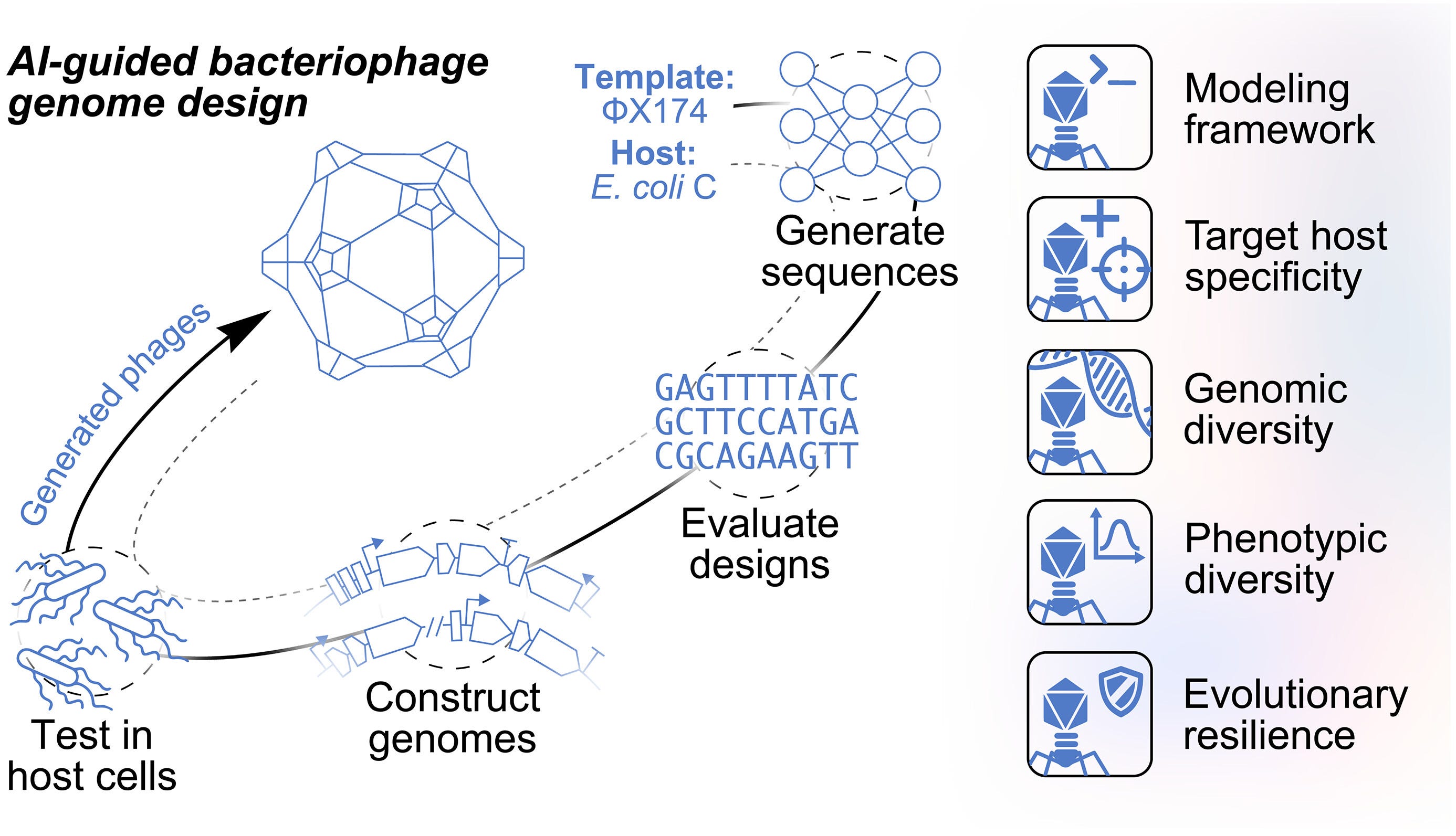
A landmark study published in Science demonstrated that generative AI can design entirely new functional bacteriophages, marking a significant step forward in AI-assisted biological engineering. Researchers generated hundreds of novel phage genomes using genome language models and successfully synthesized multiple functional viruses capable of infecting antibiotic-resistant E. coli. The work highlights AI’s growing role not only in analyzing scientific data, but also in designing entirely new biological systems with real-world applications.
As AI continues to move from prediction to creation, advances in scientific capability increasingly raise parallel questions around evaluation, biosecurity, and responsible deployment. The research reflects a broader shift discussed throughout the Summit: increasingly capable AI systems are beginning to contribute directly to scientific innovation, expanding both the opportunities and the responsibilities that come with frontier AI.
Frontier Cyber Capabilities Are Forcing Labs to Rethink Deployment
OpenAI announced new deployment safeguards for its upcoming frontier model, Astra, after internal evaluations indicated that future systems could reach unprecedented cybersecurity capabilities. The company introduced stronger security controls, expanded external evaluations, and additional containment measures before broader deployment, reflecting a growing emphasis on responsible capability scaling.
The announcement signals an important shift in frontier AI development. As models become increasingly capable of autonomous reasoning and complex cyber tasks, evaluation and security are no longer post-deployment considerations - they are becoming integral parts of the development process itself. The industry’s focus is gradually shifting from how capable can models become to how capable models should be deployed safely.
Open-Weight Agents Move Closer to the Device
Meta introduced Muse Glimmer, a lightweight open-weight model designed for agentic workloads that can run on consumer hardware, while reaffirming its commitment to open-weight AI. The announcement reflects a broader industry trend toward making increasingly capable AI systems more accessible beyond hyperscale cloud environments.

As AI agents become more practical for real-world applications, deployment is becoming as important as capability. Running capable agentic models closer to users opens new possibilities for lower latency, greater customization, improved privacy, and broader developer participation. Together with continued investment in open-weight models, this signals an increasingly diverse ecosystem for building and deploying AI agents.

Thank You
The conversations the Summit sparked are only just beginning.
Over two inspiring days, thousands of people from around the world came together—not just to discuss the future of Agentic AI, but to help shape it.
To every speaker, sponsor, volunteer, partner, attendee, and member of our community: thank you for making this Summit possible.

We’ll continue sharing research, session highlights, and new ideas in the weeks ahead - and we look forward to welcoming you back next year.
The Summit may be over, but the work - and the community - continues.